- Home
- About Us
-
Destination
Domestic Tours
-
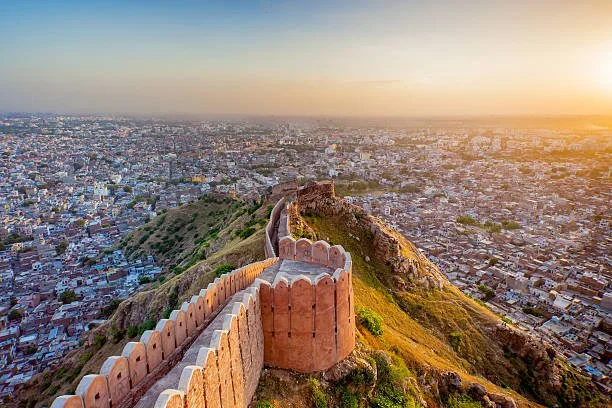
Rajasthan
Rajasthan, the “Land of Kings,” is a vibrant tapestry of royal heritage, majestic forts, golden deserts, and colorful culture. From the grand palaces of Jaipur to the serene lakes of... -
.jpeg)
West Bengal
West Bengal is a state in eastern India, known for its rich culture, history, and natural beauty. The capital city, Kolkata, was once the capital of British India and remains... -
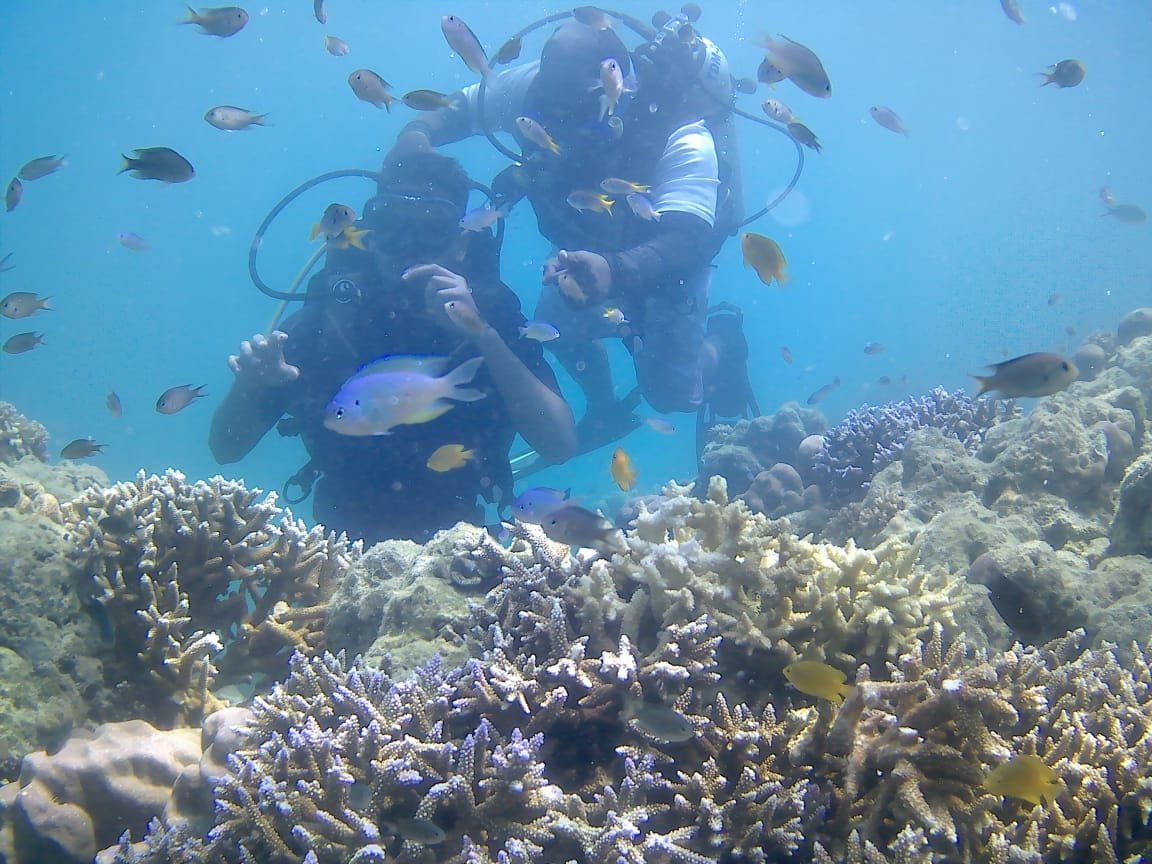
Andaman
Andaman and Nicobar Island's Havelock Island, now officially known as Swaraj Dweep, is one of the most captivating destinations nestled in the heart of the Bay of Bengal. This island is... -
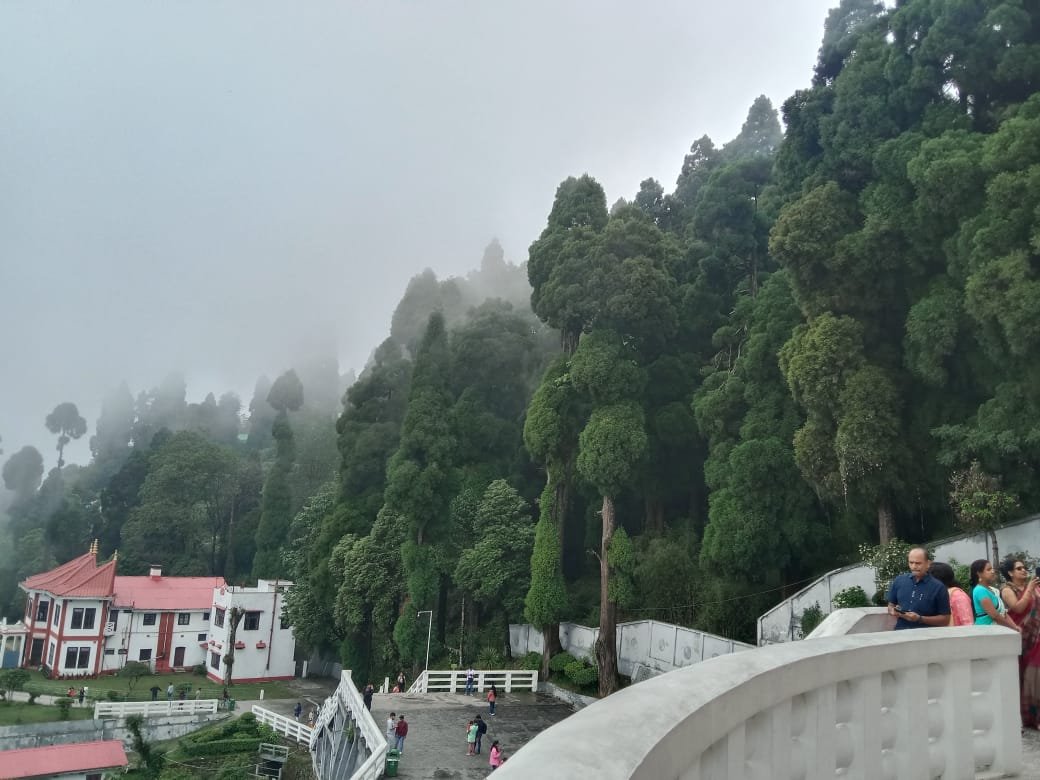
Darjeeling
Darjeeling is a popular hill station in West Bengal, India, known for its stunning views, tea plantations, and rich cultural heritage. It's a great destination for nature lovers, adventure enthusiasts,... -
Kerala
Kerala is world-renowned for its intricate network of backwaters—a peaceful labyrinth of lakes, canals, and rivers lined with swaying palms and sleepy villages. This unique water system offers one of... -
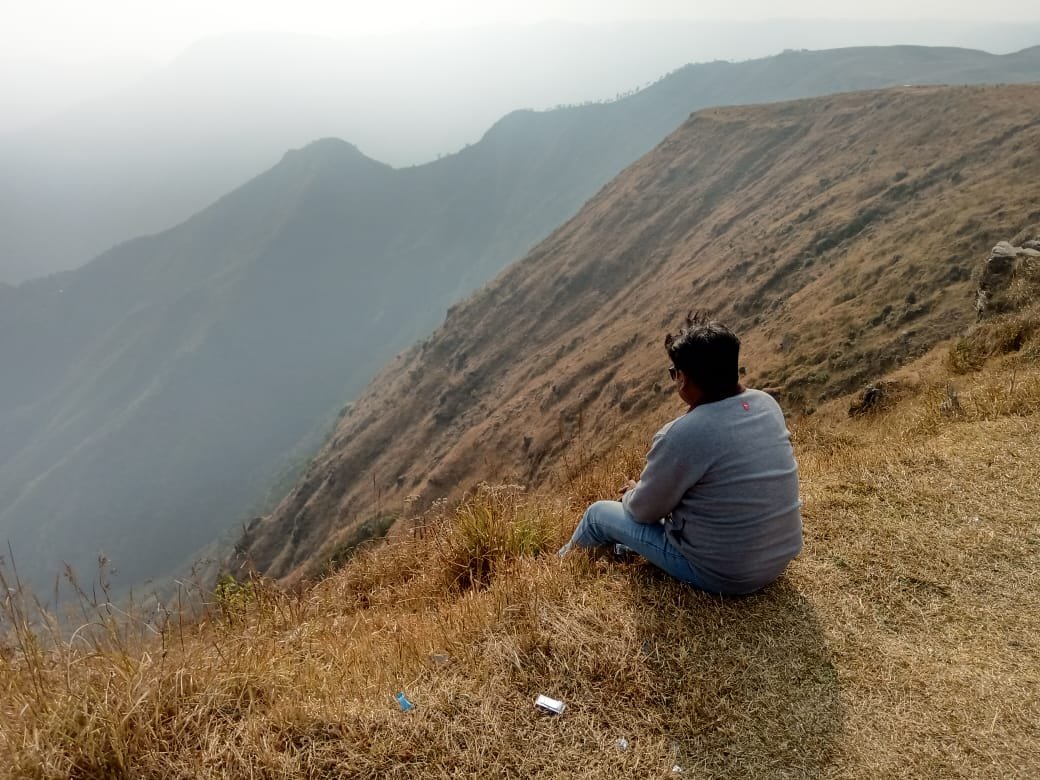
Meghalaya
Meghalaya, with the lush, rain-soaked landscapes of Cherrapunji and Mawlynnong, the living root bridges are one of the most extraordinary examples of natural architecture in the world. These awe-inspiring structures are... -
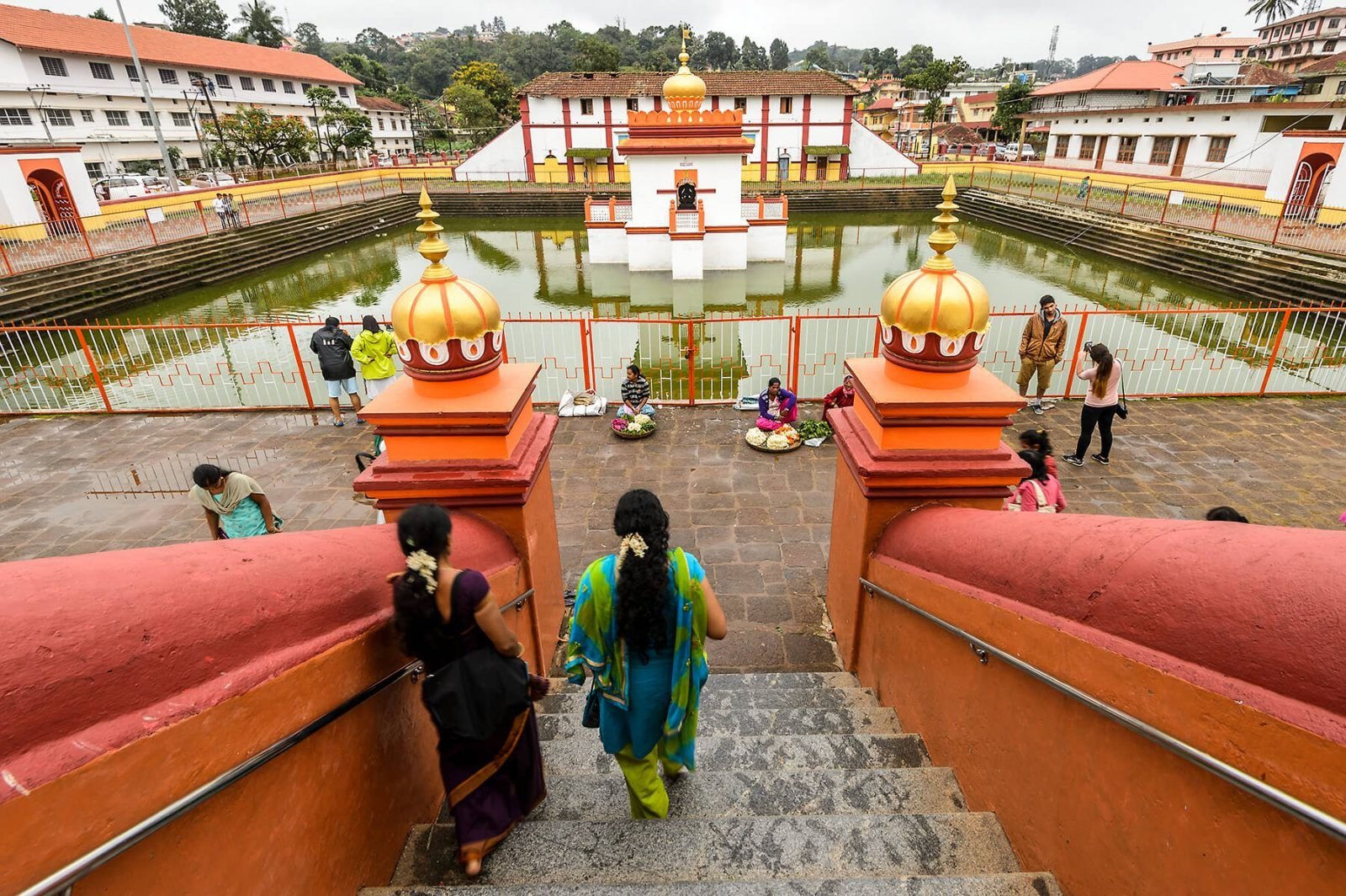
Coorg
Coorg is famously known as the "Scotland of India" due to its misty landscapes and rolling hills. It’s one of India’s top coffee-producing regions, and visitors can tour fragrant coffee... -
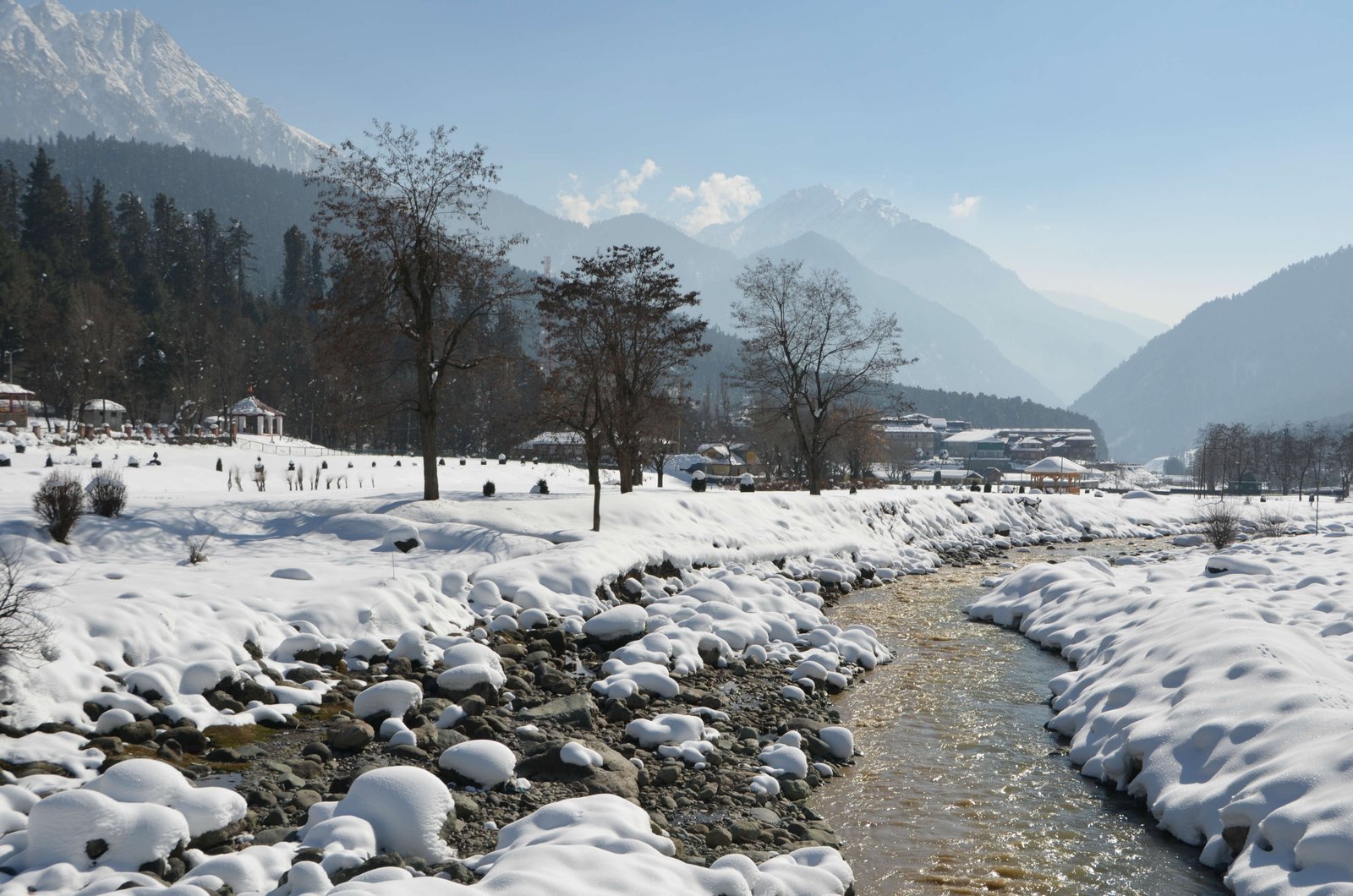
Jammu & Kashmir
Jammu & Kashmir is renowned as "Paradise on Earth" for its breathtaking landscapes. From the snow-capped peaks of the Himalayas, serene Dal Lake in Srinagar with its iconic shikaras (wooden... -
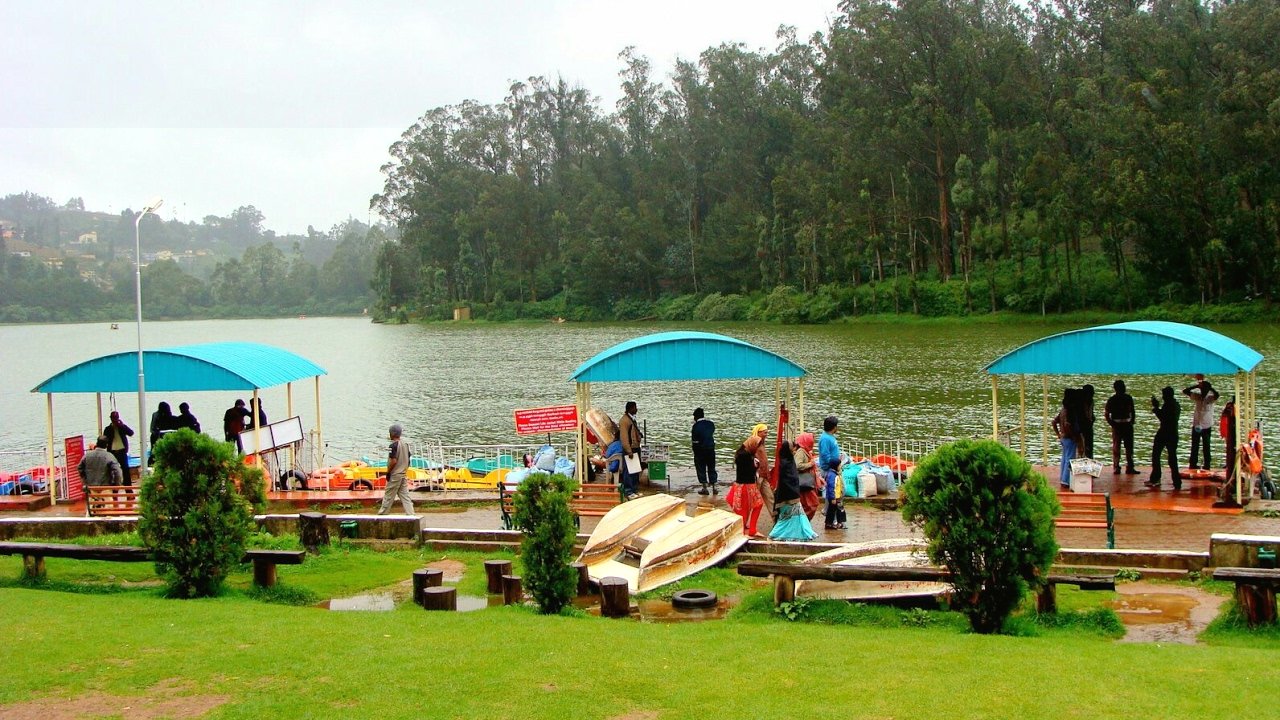
Ooty
Ooty, officially known as Udhagamandalam, is a popular hill station located in the Nilgiri Hills of Tamil Nadu, South India. Known as the "Queen of the Hills," Ooty is famous... -
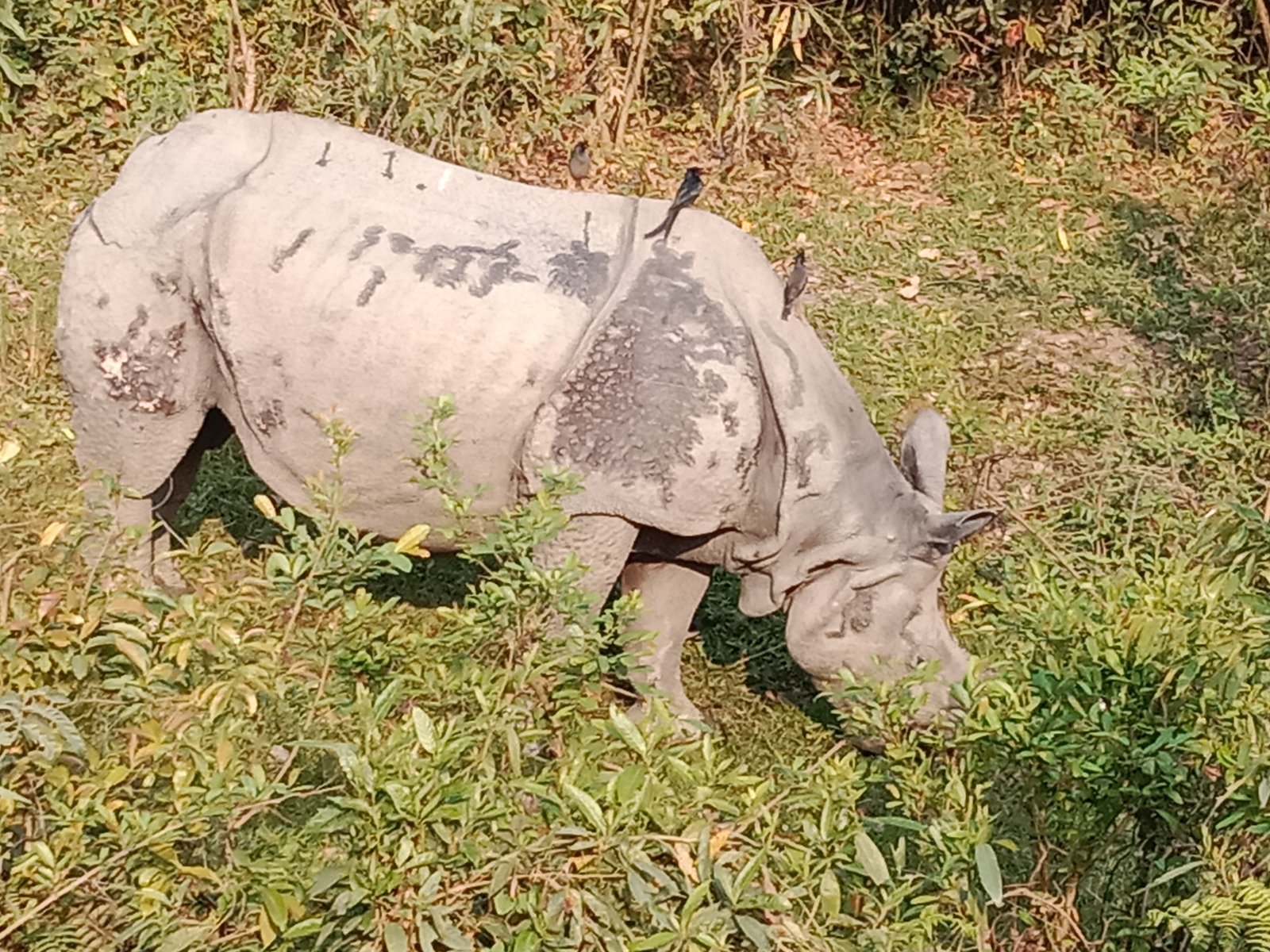
Kaziranga
Kaziranga is world-famous for its population of the Indian one-horned rhinoceros — it harbors over 70% of the world's population of this endangered species. Visitors come from all over the... -
.jpg)
Kalimpong
Kalimpong is a hilltop town located at the east of river Teesta. This sleepy little town is situated at an altitude of 1,200 mtrs, some 50 kms to the east... -
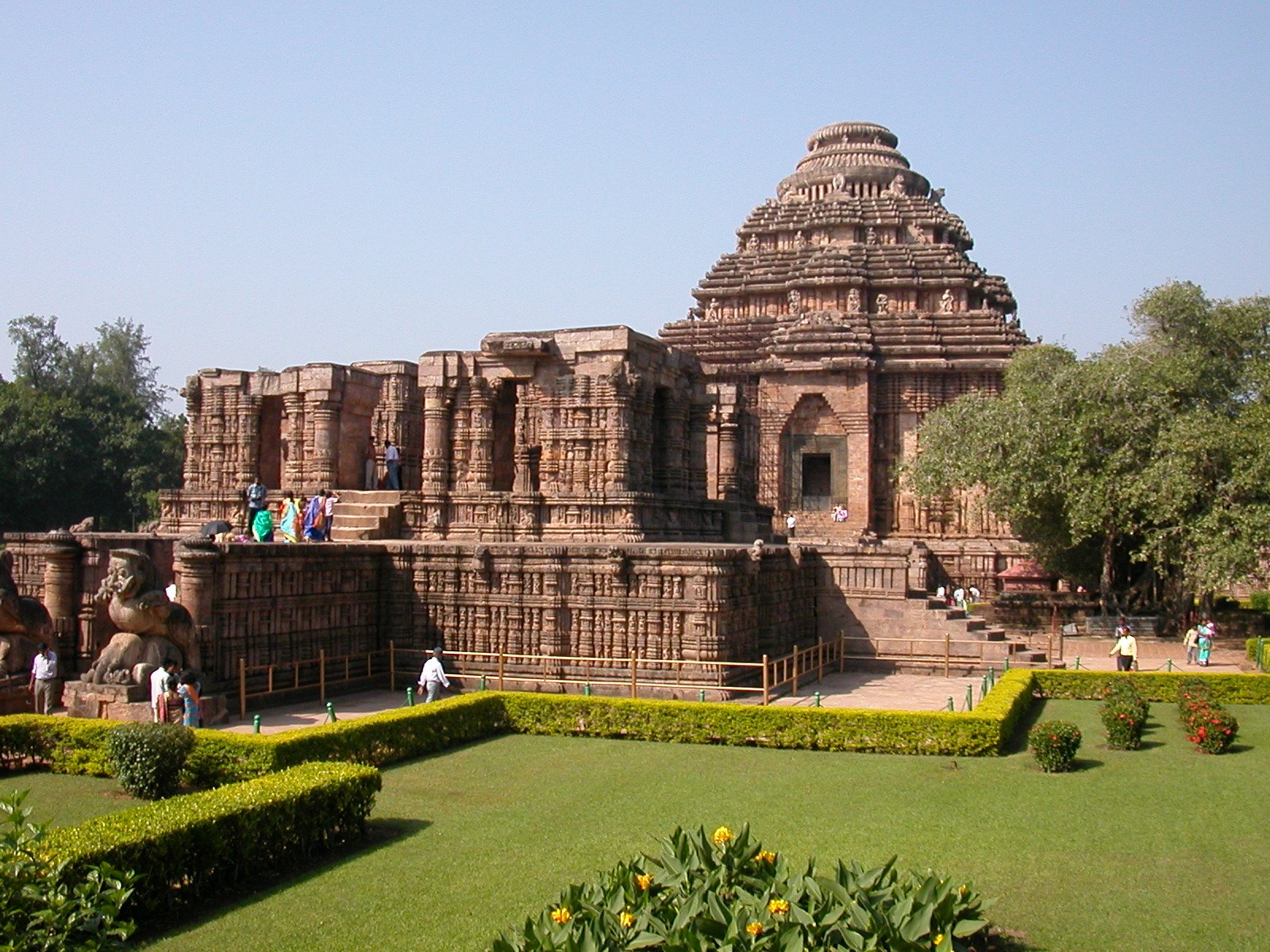
Odisha
Odisha is a state located on the eastern coast of India, known for its ancient temples, rich cultural heritage, and beautiful coastline. The capital city is Bhubaneswar, also called the... -
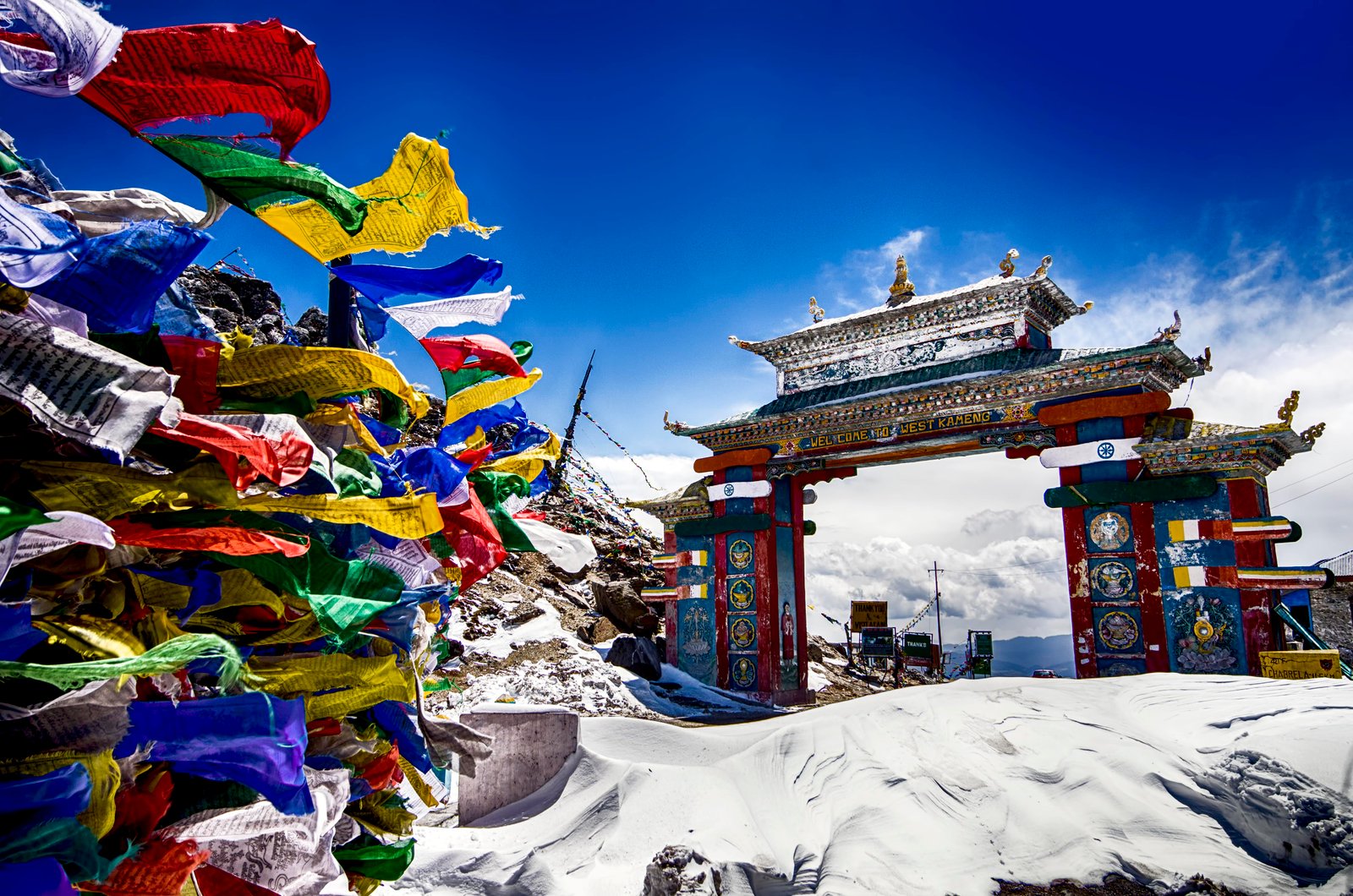
Arunachal Pradesh
With its untarnished beauty, Arunachal Pradesh—the largest among the Northeastern states of India—will fill your heart with a paroxysm of joy by quenching your inner wanderlust....
-
- Gallery
- Review
- Blog






Inside India's Rainforests: Where the Wild Things Still Roam Free
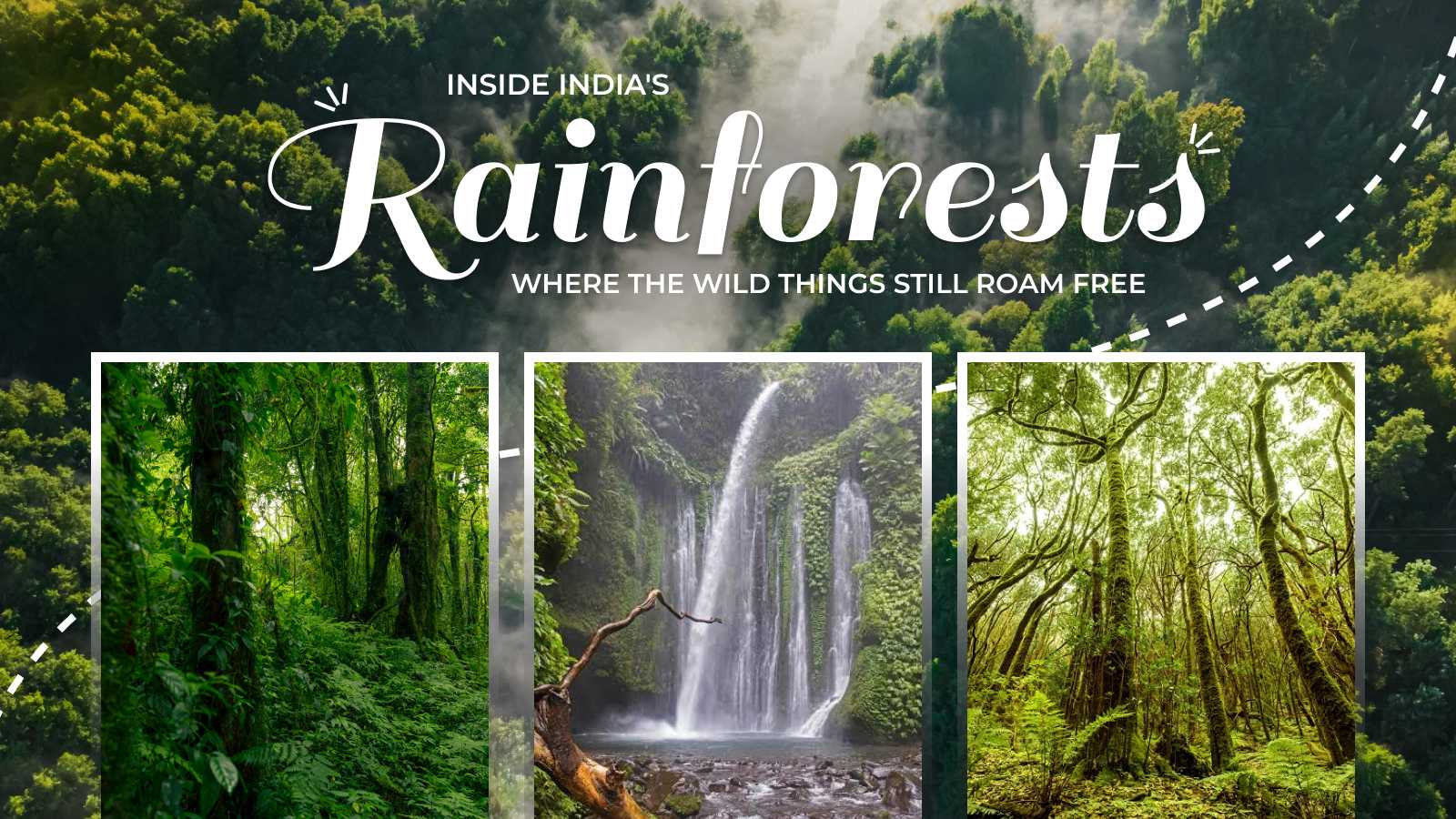
There’s a sound that exists in only a handful of places left on Earth, and it isn’t silence. It’s the opposite: a thousand small voices breathing in unison, dripping leaves, unseen wings, water carving its way over stone.
As a well-known travel agency in Kolkata and across India, we can tell you this sound is the closest thing to a heartbeat the planet has left. Against every odd stacked since the industrial age, India still has it, thundering away in green pockets most of us will never see.
From the Western Ghats to the Andaman seas, here’s the untamed story of India’s rainforests: what they are, how they breathe, and why losing them would mean losing something we can never rebuild.
What Is a Rainforest, Really?
Forget the postcards. A rainforest isn’t a vibe; it’s a survival machine with strict rules. To qualify, a forest must drink down at least 1,800mm of rainfall a year and wear a canopy thick enough to keep its interior permanently shaded and humid. That single requirement sets off a chain reaction:
- It manufactures its own sky. Trees haul water up from deep in the earth and exhale it back into the atmosphere, brewing the storms that keep them alive.
- It never sleeps. Locked at 24°C to 27°C all year, growth and decay run side by side, with no winter to call a truce.
- It is wildly, unfairly alive. Rainforests cover a mere 6% of Earth’s land, yet cram in more than half of every known plant and animal species.
The Four Layers: A Rainforest’s Floor Plan
Walk into a true rainforest and you fall through four worlds stacked like a tower nobody designed, each running on its own light and its own rules for survival, the kind of layered drama no holiday tour package brochure ever quite captures.
- The Emergent Layer. The crown. Titans up to 80 metres break through the canopy into raw sun and wind. Only the boldest fly this high: eagles, gliders, bats.
- The Canopy. The roof and the beating heart. A dense sea of treetops drinking in sunlight, sheltering 60 to 90% of every species the forest holds.
- The Understory. The hush beneath the roof. Shrubs, ferns, and young trees scrape by on as little as 2% of the light above. Dim, damp, and dangerous in the most beautiful way.
- The Forest Floor. The basement and the furnace that recycles death into life. Almost no light survives down here, but fallen giants rot and feed nutrients back into the soil.
Sever the canopy, and you’re not just felling trees. You’re collapsing a structure century in the making.
India’s Rainforests: Hiding in Plain Sight
Here’s the part that stuns most travellers, and the part every good tour operator in Kolkata should be shouting from the rooftops: India holds some of the most ferociously biodiverse rainforests on the planet, and most of the country has barely met them.
The Western Ghats — South India’s ancient spine, older than the Himalayas:
- Silent Valley National Park (Kerala) lives up to its name in the strangest way. One of the last untouched stretches of tropical evergreen forest left in India, its quiet so unnerving that early explorers swore something was wrong, simply because they couldn’t hear the cicadas every other forest in the region screams with. What they’d found was a forest old and intact enough to have outgrown the need to be loud.
- Agumbe (Karnataka) doesn’t just earn the nickname “Cherrapunji of the South,” it earns it violently, drowning under more than 7,000mm of monsoon rain a year. This is also Cobra Capital, home to a rainforest research station built around one magnificent, terrifying resident: the king cobra, tracked here through India’s first-ever radio-telemetry study on any reptile.
- Periyar National Park turns a man-made reservoir into pure cinema, and it’s exactly the kind of stop that makes customized tour packages worth the planning. Wild elephant herds wade through the shallows in scenes that look choreographed by a film crew, except nobody’s behind the camera but you.
The Northeast — proudly crowned India’s “Amazon of the East”:
- Dehing Patkai Wildlife Sanctuary (Assam) is the closest India comes to genuine lowland rainforest, and it doesn’t hide its wildness. Clouded leopards move through it like shadows with opinions, while the golden-furred Hoolock gibbon, India’s only ape, swings through canopy that locals have nicknamed the country’s own Amazon for good reason.
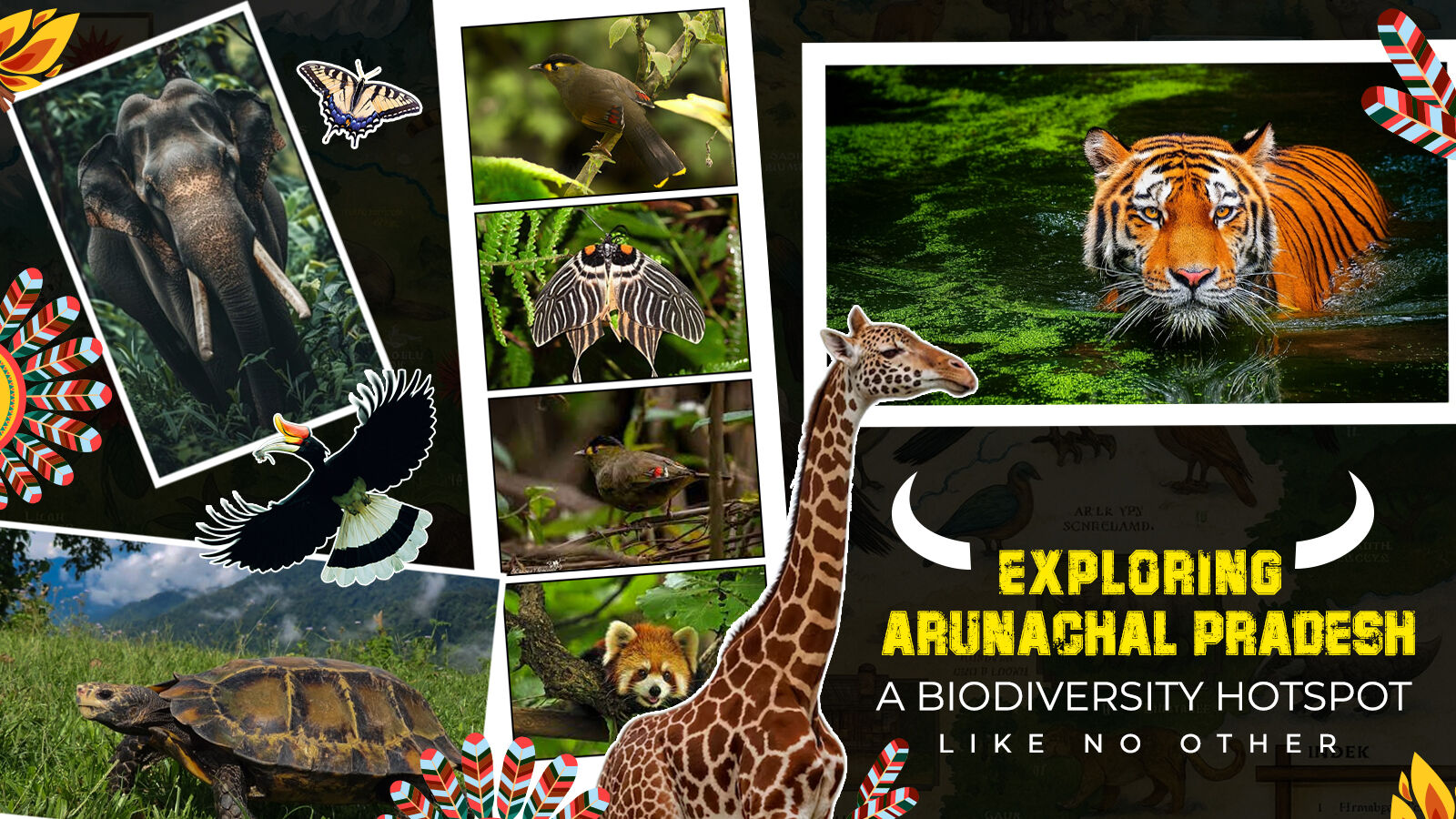
- Namdapha National Park (Arunachal Pradesh) sounds almost too good to be real: a single forest where tigers, leopards, snow leopards, and clouded leopards all share the same ground, a big-cat lineup found almost nowhere else on the planet.
- Nokrek National Park (Meghalaya) quietly guards something most travellers would never guess: the last wild ancestors of citrus fruit eaten across the globe, the genetic blueprint behind the orange on your breakfast table, a gene bank disguised as a national park.
Andaman — the only place a tour package from Kolkata can take you where rainforest spills straight into the sea:
- Mahatma Gandhi Marine National Park lets you do something almost nowhere else in the country allows: walk out of dense, dripping tree cover and straight into technicolour coral reef, all in the same breathless afternoon, as if the forest simply decided not to stop at the shoreline.
- The islands’ pristine tropical evergreen forests remain some of the least disturbed in the country, not because anyone’s trying especially hard to protect them, but because so few travellers ever bother making it this far into the Bay of Bengal.
- Isolated island ecosystems here have been cut off from the mainland long enough to write their own evolutionary rulebook, producing species that exist nowhere else on the map.
Plan the Journey, Not Just the Destination
A rainforest does not reward the unprepared! Timing, permits, and the right local guide separate a journey that leaves you breathless from one that leaves you stranded at the trailhead.
That’s where Regal Travels, your trusted tour operator in Kolkata, earns its keep, building itineraries around the season and the version of India each traveller is secretly chasing.
Hunting for a holiday tour package built around where the wild things still roam free? The rainforest is out there, waiting in the dark and the green.
Which Rainforest Will You See First?
Which rainforest destination would you visit first? Plan your journey with Regal Travels and let us take you where the wild things still roam free.
Plan Your Journey